 Live · Daily New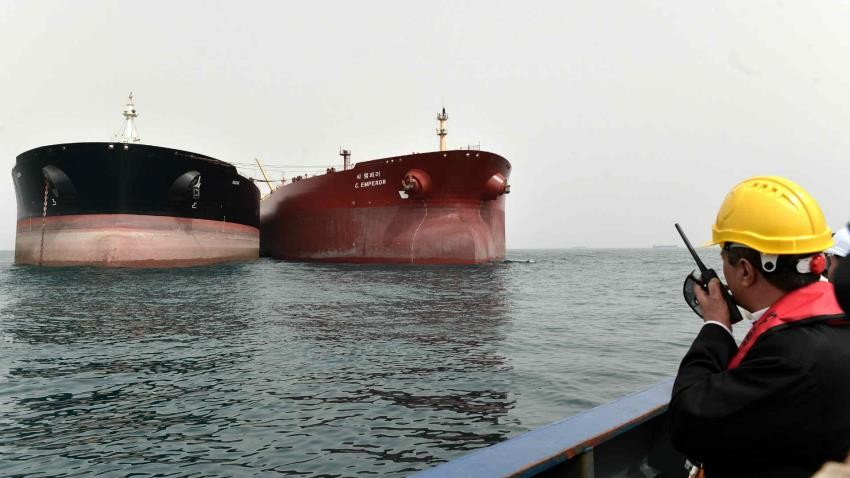
Home Energy Crude Oil By Alex Kimani - Sep 16, 2026, 7:00 PM CDT Oil remains above $100 despite a pullback, as the Fed raised rates by 25 bps and the U.S.-Iran conflict continues to support a high geopolitical risk premium. Saudi pipeline damage has weakened a key Hormuz bypass, leaving exports more exposed while Houthi advances raise additional Red Sea shipping risks. European gas markets remain tight, with storage well below seasonal norms and limited Qatari LNG flows keeping winter supply risks elevated.
Oil prices pulled back but remained elevated ahead of a critical Fed decision on Wednesday, with market expectations shifting towards a prolonged US-Iran conflict. Brent crude for November delivery fell 2.88% at 2:18 p.m. ET, to trade at $105.6 per barrel, while WTI crude for October delivery declined 3.33% to change hands at $102.3/bbl.
The Federal Reserve raised interest rates by 25 basis points on Wednesday to a range of 3.75% to 4.00%, its first rate hike since 2023, as policymakers responded to renewed inflationary pressure. Fed officials also projected one additional rate increase before the end of the year. Higher interest rates generally act as a headwind on oil prices by cooling economic activity, boosting the value of the U.S. dollar and raising the cost of holding crude inventories.
However, commodity analysts at Standard Chartered have predicted that the continuing US-Iran stalemate and increasing associated physical risks to regional exports will keep oil prices supported above a higher floor. The planned diplomatic meeting between Iran and Gulf Arab states regarding commercial shipping through the Strait of Hormuz was postponed on Tuesday, amid a lack of Arab consensus, dashing that near-term hope for a de-escalation. Last week, Iran-aligned Houthi forces in Yemen seized the strategic Red Sea port of Mocha and launched heavy drone and missile strikes against Saudi Arabia's King Khalid Air Base.
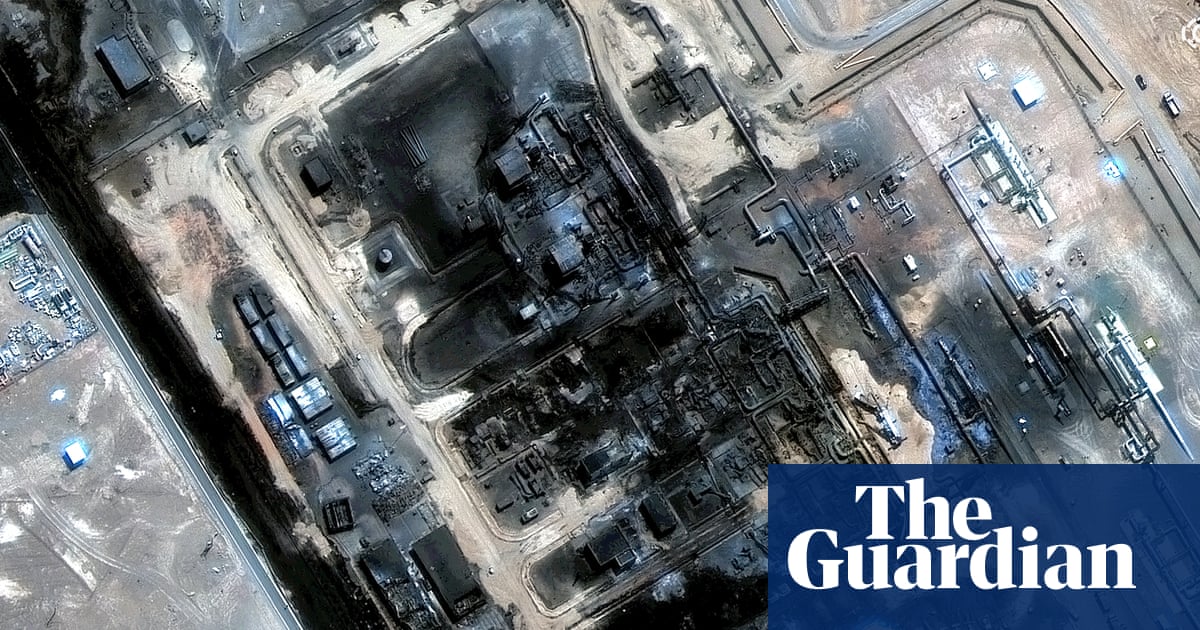
Tensions spiked further after a drone strike from Iraq damaged a key pumping station on Saudi Arabia's East-West oil pipeline near Riyadh and Medina. Bahrain had already announced it would boycott the forum, saying regional security "cannot be preserved through a policy of appeasement" and citing the pipeline strike as proof that attacks on Gulf infrastructure remained an active threat. Saudi Arabia, whose own objections to the proposed wording of the meeting drove Oman to postpone it, did not attend either.
Drone attacks have forced Saudi Arabia to shut its East-West crude pipeline, an important alternative export route that bypasses Hormuz. According to StanChart, the damage to the pipeline materially raises the near-term risk to crude exports, with the key bypass route to Yanbu now expected to remain largely out of service for several weeks. StanChart estimates that Saudi Arabia has only around one week of crude stocks at its ports to sustain exports at current rates, meaning a prolonged outage could force greater reliance on already-constrained routes through Hormuz and put a significant volume of export supply at risk.
At the same time, the Houthi advance along Yemen’s Red Sea coast and around Bab el-Mandeb increases the risk to tanker transit through the Red Sea, potentially adding further war-risk insurance, freight and rerouting costs. The immediate implication is, therefore, not simply less crude availability, but a higher cost and lower reliability of moving Gulf barrels to market. Additionally, StanChart says the disruption exposes a deeper weakness in the market’s assumed supply optionality.
The East-West pipeline was explicitly part of the solution to Hormuz risk, allowing Saudi crude to bypass the strait and reach the Red Sea. However, the pipeline itself is now vulnerable, while the alternative maritime route through the Red Sea and Bab el-Mandeb is also facing heightened geopolitical risk. In effect, the market has attempted to bypass one chokepoint only to discover that the alternative infrastructure and transit routes can create new concentrations of vulnerability.
Pipelines, storage and alternative export terminals provide flexibility in normal conditions, but do not necessarily eliminate strategic risk when parties in the underlying conflict can target the infrastructure itself. With disruption risk now affecting both Hormuz-linked flows and alternative export infrastructure, StanChart says the geopolitical risk premium is likely to remain elevated, with oil price moves continuing to be punctuated by sharp corrections on more constructive headlines. Meanwhile, Europe’s natural gas prices have also retreated from recent highs but remain close to 2022 highs amid supply concerns ahead of the winter heating season.
Dutch TFF gas futures fell from a nearly 4-year high of €82.84/MWh achieved last week to trade at €77.66/MWh on Wednesday. However, StanChart says Europe’s gas markets remain bullish, with emerging competition between heating demand and storage injections likely to keep TTF gas prices supported even if temperatures remain relatively mild. According to Gas Infrastructure Europe (GIE) data, Europe’s gas stores are currently ~68% full, 16.3 percentage points below the five-year seasonal average, with Qatari LNG export flows severely limited.
Among EU countries, Germany (~56% full) and the Netherlands (~52.5% full) have the lowest inventories. Germany’s Economy Minister Katherina Reiche recently expanded the autumn market tender for Long Term Options (LTOs), offering financial incentives to encourage global traders to secure and redirect gas deliveries into the country. Meanwhile, state-controlled giants Uniper and SEFE have agreed to overlook seasonal low gas prices and aggressively inject fresh gas into their storage networks.
By Alex Kimani for Oilprice.com More Top Reads From Oilprice.com Hormuz Shipping Traffic Remains Stuck in Single Digits Germany Weighs Market Incentives to Boost Record Low Gas Storage Level TTF Gas Hits $92.95 as Gulf Tensions Weigh on Energy Markets Download The Free Oilprice App Today Back to homepage Alex Kimani Alex Kimani is a veteran finance writer, investor, engineer and researcher for Safehaven.com. More Info Leave a comment EXXON Mobil -0.35 Open 57.81 Trading Vol. 6.96M Previous Vol. 241.7B BUY 57.15 Sell 57.00