 Live · Daily New
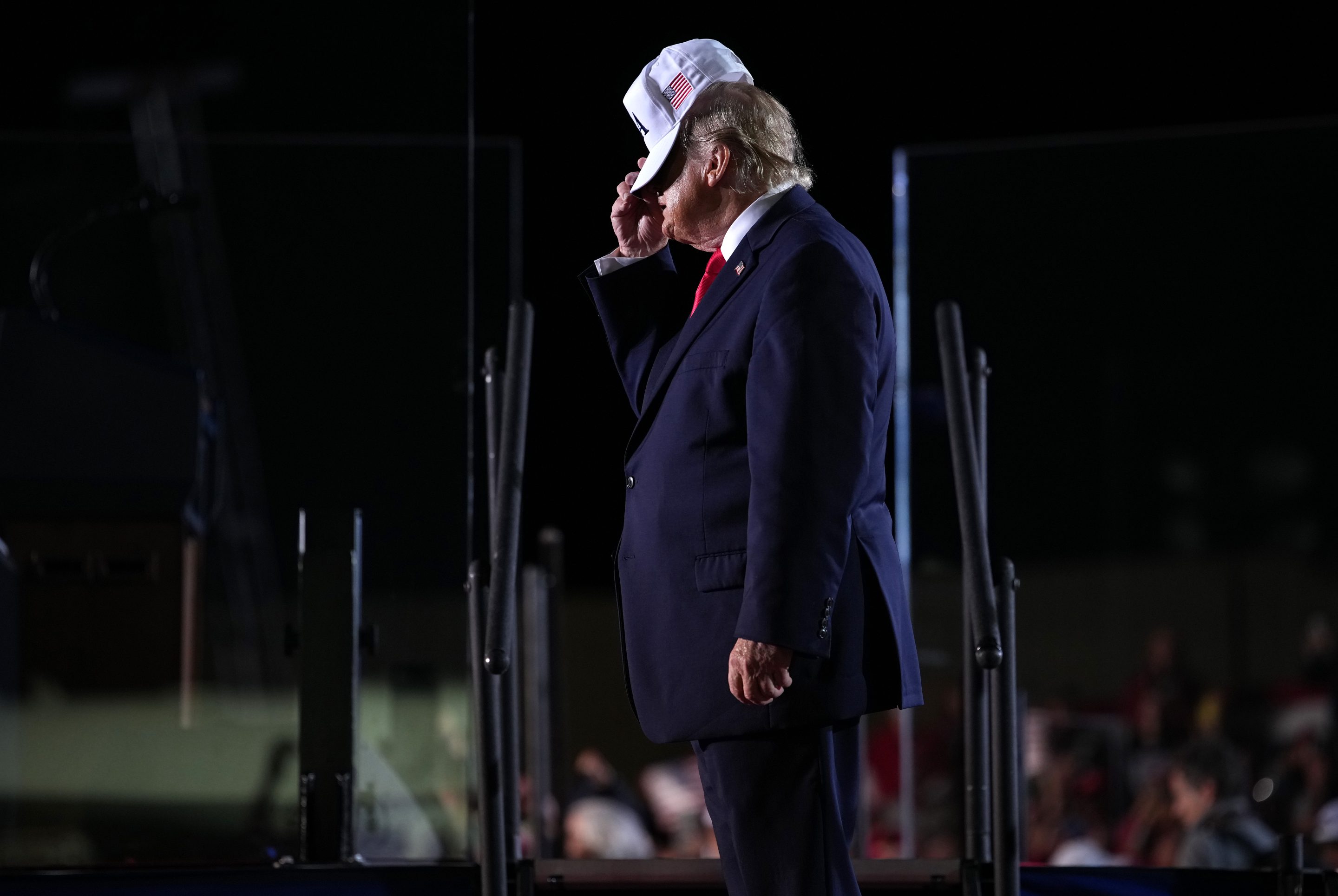
With only a couple of seats left to be called in the midterm elections, a “blue wave” is preparing to wash through Congress. Voters made it clear they were unhappy with Republicans in the first two years of President Trump’s administration, with 54 Democrats elected to the Senate and 44 Republicans, as of this writing, per CNBC . Consumers will want to see action on issues close to home from their newly elected officials, namely affordability and inflation .
Military conflict with Iran has pushed up oil prices and, as a result, gas prices. That action came after Trump’s tariff scheme, which targeted exports from foreign countries, but economists say it resulted in increased costs being passed back to consumers. While Main Street has a checklist of action it wants to see, Wall Street is hedging on how the new power dynamics on Capitol Hill will play out.
In the early hours of this morning, yields on longer-dated bonds trended downward as demand inversely rose. 30-Year Treasuries pushed below 5.3%, while the 10-year pushed down toward 4.9%. Demand for the securities shows bonds remain the destination of choice in a market flight to safety—a question which seemed to hang over the market this summer as yields rose over 5%. A more divided government increases the likelihood of government standoffs, particularly over spending.
“Fiscal gridlock seems the likely default,” UBS’s Paul Donovan told clients this morning. “President Trump has seemingly retreated from an earlier pledge to veto everything the Democrats suggest, Treasuries have initially strengthened on the results.” Beyond a shield against volatility, investors have additional motivations to look to bonds in the current political climate. President Trump and his team may now find it harder to push through policy packages that might require more spending and, as a result, more government borrowing.
Likewise, Democrat spending packages could face roadblocks from a still sizeable Republican presence in Congress and Trump’s veto power. Markets are also bracing for near-term volatility in equities, as UBS’s chief investment officer, Mark Haefele, noted to clients, “particularly in tech and other areas sensitive to greater regulatory scrutiny.” With AI driving stock gains this year, investors may seek to balance any hiccups with the dependable asset of Treasuries. While spending gridlock may frustrate policymakers, it might calm the nerves of debt hawks.
Concern over the fiscal trajectory of the U.S. is mounting, owing to federal deficits of between 6% and 7% of GDP, and interest payments on the national debt now demand more than $1 trillion a year. A gridlock could slow the path of any spending bills, allaying some concerns about the U.S. budget picture. As Deutsche Bank’s Jim Reid noted this morning: “There’s been a rally for U.S.
Treasuries ... given that divided government has generally made it harder for fiscal stimulus to be passed. So that’s eased concerns on the fiscal trajectory a bit.” Timeline for answers Policymakers’ appetite for a conversation on fiscal responsibility may be gauged sooner rather than later. The current federal government funding package runs out on December 11 and will require bipartisan support to prevent a government shutdown.
While the officials elected in the midterms won’t be in office until the New Year, a shift in the tide may give Democrats more motivation to hold the line or make bolder demands in return for support. The odds of a government shutdown jumped to 45% overnight on the prediction market platform Kalshi , up from around 30%.
Source: Fortune