 Live · Daily New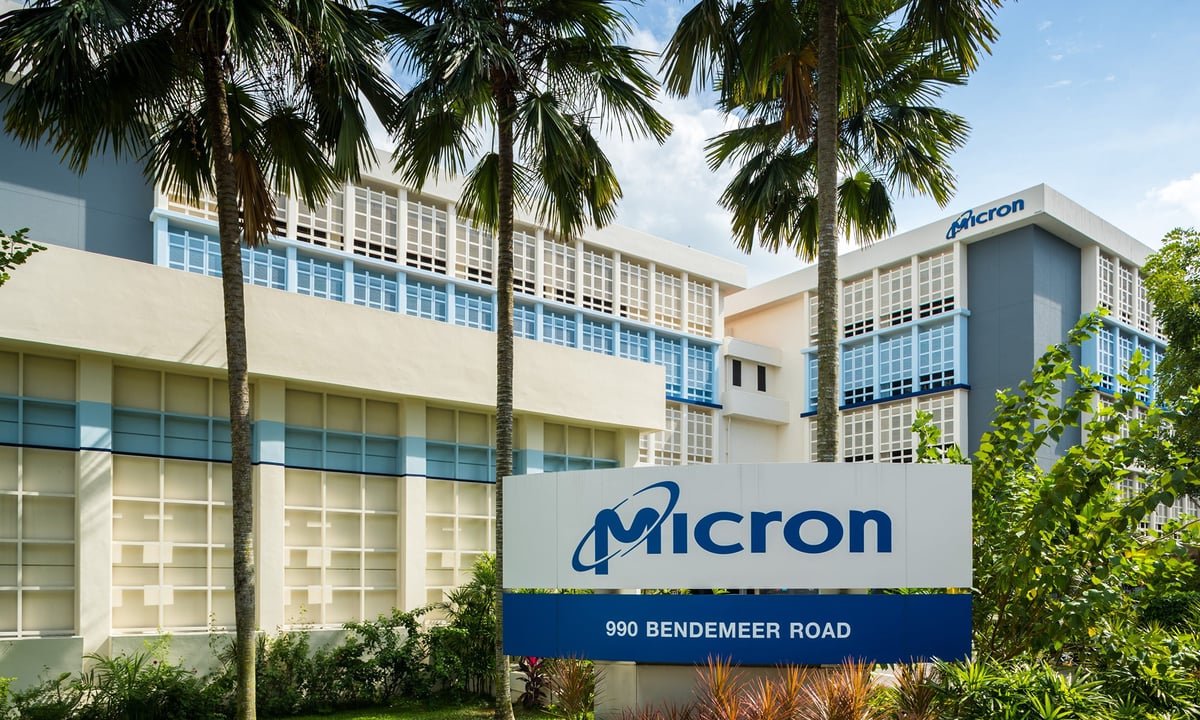
Micron Technology ( MU +0.39% ) is poised to release its fiscal 2026 fourth-quarter results on Sept. 30, and the market will be eagerly awaiting its report to understand the health of the memory industry. After all, the strong demand and tight memory supply have been driving stunning growth in Micron's revenue and earnings in recent quarters. The rapid increase in memory prices has led to a big jump in Micron stock over the past year, and the sustainability of that rally will be put to the test when the company releases results.
However, the good news for Micron investors is that the comments from Nvidia ( NVDA +0.57% ) and SK Hynix , two key players in the artificial intelligence (AI) ecosystem, suggest that Micron's impressive growth is here to stay. Let's see why. Image source: Micron Technology.
Nvidia and SK Hynix point toward further hikes in memory prices When Nvidia released its fiscal 2027 second-quarter results last month, the company remarked that memory price hikes are here to stay. The semiconductor bellwether expects margin pressure due to higher component costs, especially memory. According to Nvidia CFO Colette Kress: As you are already aware, we are experiencing extreme pricing conditions in memory.
The magnitude of the price increase has exceeded our prior expectations and are headed even higher into next year. Premium Feature Moneyball Superscore 92 /100 Today's Change ( 0.39 %) $ 3.57 Current Price $ 927.60 Nvidia expects its gross margin to drop over the next couple of quarters. It expects a slight improvement in the next fiscal year, driven by higher chip prices.
So, Nvidia management's comments indicate that Micron's primary catalyst -- strong memory pricing -- isn't going anywhere. Similarly, South Korean memory giant SK Hynix expects the memory shortage to worsen next year. The company estimates that memory demand could outstrip supply beyond 2030, even as it brings more capacity online.
In fact, Korean investment firm KB Securities estimates that SK Hynix is sitting on memory inventory of just 10 days. Additionally, the aggressive jump in hyperscalers' capital spending on AI infrastructure suggests that memory demand will remain robust. Nvidia, for instance, estimates that the capex of the top five hyperscalers could increase to $1.3 trillion in 2027, up from $800 billion this year.
So, there is a strong chance Micron's quarterly numbers will exceed expectations, as the severe memory shortage is likely to send prices even higher. Moreover, the tight demand-supply environment bodes well for Micron's fiscal 2027 guidance. Micron's valuation makes it a no-brainer buy Micron's revenue in fiscal 2027, which has just begun, is poised to increase by 88% to $244.5 billion, according to consensus estimates.
Its earnings per share, meanwhile, could jump by 112% to $156.07. However, don't be surprised to see Micron's fiscal Q1 guidance suggesting stronger growth rates due to the reasons discussed above. Moreover, Micron is trading at just 6.6 times forward earnings.
Ideally, it shouldn't be trading at such a steep discount given its phenomenal earnings growth. The S&P 500 index, for comparison, has a forward earnings multiple of 21. So, I won't be surprised to see this AI stock taking off after Sept. 30 on account of stronger-than-expected numbers and guidance, as Micron's ability to clock consistently strong growth could inflate its valuation.
Source: The Motley Fool