 Live · Daily New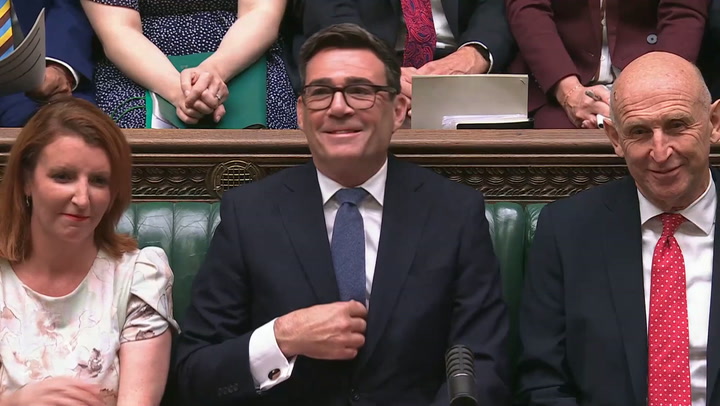
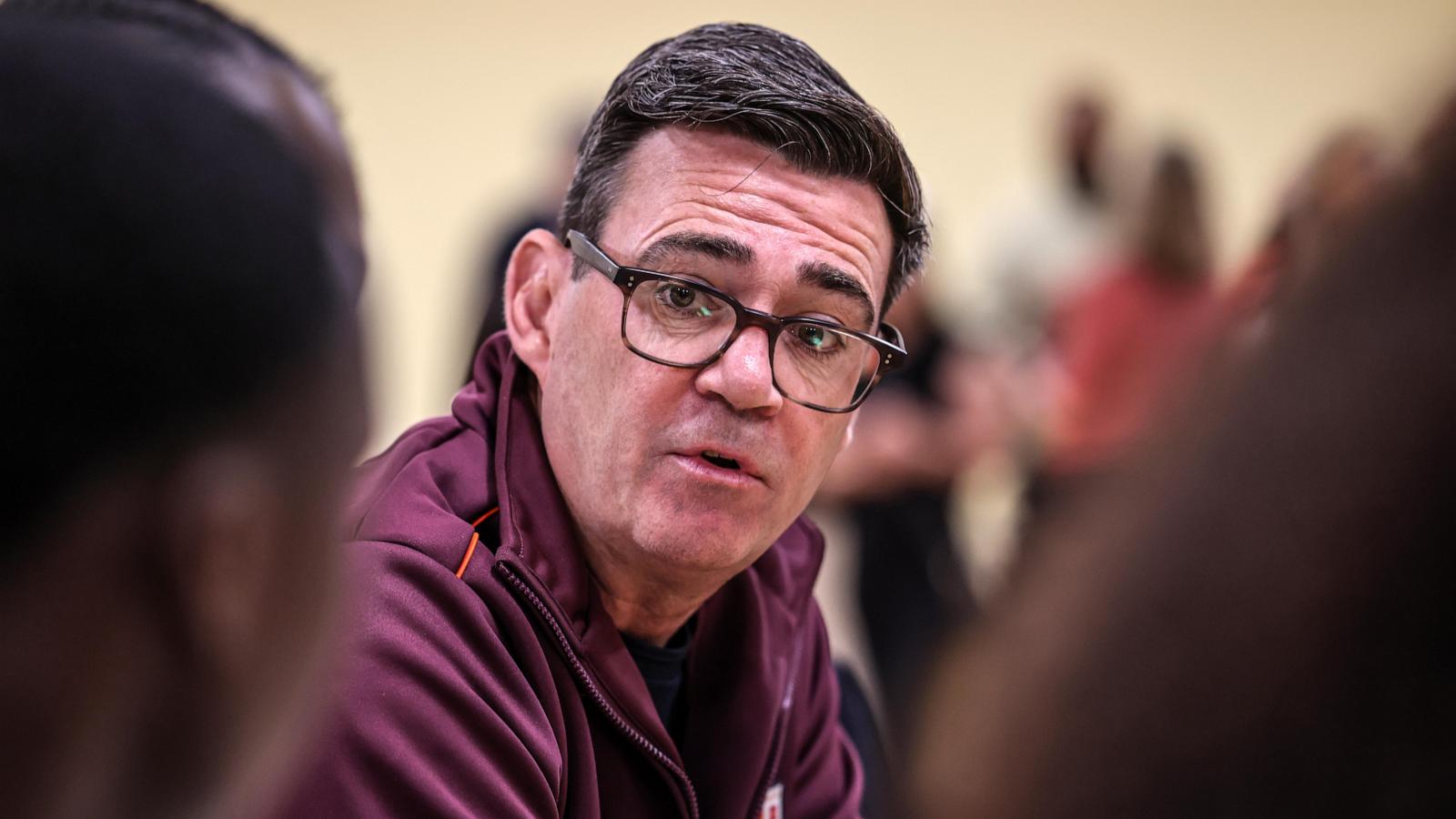
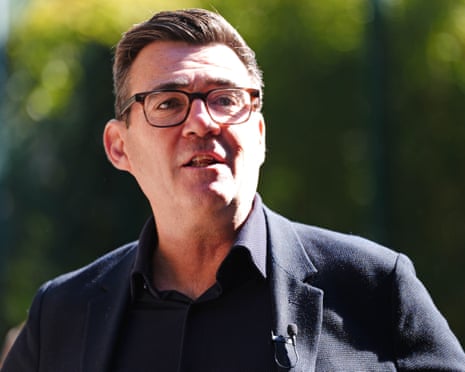
S low, calm, measured. Stick to the script. These were the watch-words for Andy Burnham’s first Prime Minister’s Questions .
Undoubtedly, they have been the same for his predecessors but Burnham did a good job, sounding confident and steady throughout. Not that he faced a fiery challenge. There was a sense of ennui and fatigue , coming the day after Burnham had endured a marathon three-hours plus session in the Chamber.
More than that, though, this was a feeling-your-way, getting to know you PMQ’s. He and Kemi Badenoch were like two boxers in the early rounds, going through the motions, circling each other and attempting to land the occasional blow, but really, probing weaknesses, readying for the rougher, tougher, stuff to come. In Badenoch’s case, she was contending with a new style of foe, distinctly different from the general counsel before.
This one is more personable, human, quicker. Gone is the instinctively reasoned, lawyerly, ever forensic approach of Sir Keir Starmer. Burnham was polished in drawing Badenoch’s sting .
His steadiness – rarely raising his voice, injecting humour when it allowed – stole what thunder she possessed. His by-now familiar refrains of “seeking partnership”, putting “problem solving ahead of points-scoring”, every postcode to be better off, harking to his Manchester experience and delivering the highest economic growth of anywhere in the UK, these and others were made again. Badenoch pushed him on the Budget and whether he will raise taxes.
It’s what everyone wants to know but his answer – which will become a stock reply in the nearly two months between now and the chancellor’s landmark speech – was that he would not “engage in speculation”. She appeared to score with a development overnight that Lord Jim O’Neill, the premier’s friend and economics advisor on the great Manchester push, had said the markets would hate his statement and so it proved with the cost of government borrowing being driven higher. This looked like a strong jab but Burnham dodged it, batting it away by reminding how close he and O’Neill were, how they’d worked together for 10 years in the Northwest but adding, despite that they did not always agree on everything.
Then Burnham scored one of his own, highlighting how the Tories’ new shadow chancellor was one of those who helped write Liz Truss’s fateful budget and how Badenoch had also said Truss was 100 per cent right. “God help us”, said Burnham, in a sparky quip that the people understood and Starmer was unlikely ever to use. It was Badenoch’s turn to ignore, not acknowledging she gave Truss her backing.
She tried to downplay Andrew Griffith’s involvement as a “junior minister” in Truss’s Treasury. Cue a sharp rejoinder from Burnham that it was not as if Griffth was a lowly parliamentary private secretary, with respect to PPS’s present, but a senior Truss colleague. This provoked laughter and sharp gasps from his backbenchers.
Was Burnham poking fun at his juniors? The ultra-cautious Starmer would not have dared to have gone there. Badenoch tried on defence where John Healey, the chancellor who resigned as defence secretary under Starmer because he was unhappy at the lack of commitment to increased military spending is said to be struggling to make the numbers match.
Burnham was ready for this, as he was with borrowing and investors giving Truss’s budget the thumbs down, so he reminded Badenoch that the reason Healey was appointed was precisely because he wanted to boost security expenditure. She struggled with that one and fell back upon telling Burnham the honeymoon is over and he must get serious. It’s true, eventually, he will have to supply the detail the nation craves.
We’re being told plenty about his bold vision but there’s precious little meat as to how it will translate into practice, what it will cost and who will pay for it. For now, that doesn’t matter. To borrow her analogy: yes, the newly-weds are back from holiday but the romance remains in full-flow.
It may never dim, who knows. This is a prime minister who is basking in his new position, giving the impression of loving it, inducing confidence and bounce. Try as he might, that was something Starmer could not achieve, not a description that was written about the ex-prime minister.
That’s why he is no longer there, and is shortly to quit the Commons completely, and it’s Burnham standing in his place. It’s left Badenoch with a lot of thinking to do. She harried and forced Starmer to the exit and he duly went.
Tonight, if she struggles to sleep it might be because a phrase keeps spinning round her head: be careful what you wish for.
Source: The Independent